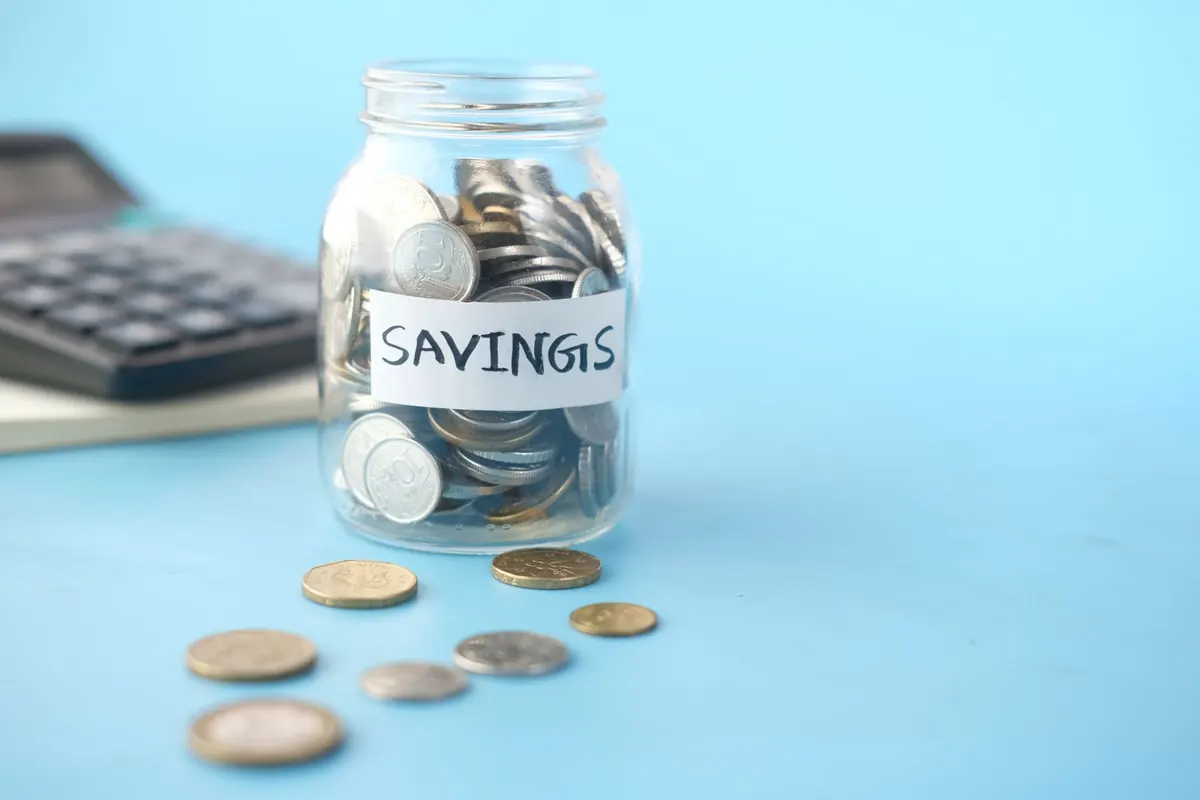
How to Start Investing With $100
A hundred dollars does not feel like investment money. It feels like a car repair, a pair of shoes, a decent dinner out. And yet the mechanics of investing are identical whether you start with $100 or $100,000. You open an account, you buy something broad and cheap, and you keep adding to it. The only real difference is that starting small forces you to learn the parts that matter.
That is not a consolation prize. Someone who puts $100 into a sensible index fund and sets up a $50 automatic contribution every payday is doing the same thing a wealthy investor does, just at a smaller scale. Here is how to do it without overthinking, overpaying, or quitting in month three.
What $100 Can and Cannot Do
Being honest about the starting line keeps you from expecting the wrong things.
- It can open a real brokerage account, buy a fraction of a diversified fund, and teach you how orders, statements, and market swings actually feel.
- It can start a habit that matters far more than the initial amount. The first contribution is the hard one; the fiftieth is routine.
- It cannot replace an emergency fund. Money you might need in six months does not belong in the stock market.
- It cannot outrun high-interest debt. Paying off a credit card balance at 22% is a guaranteed return that no fund can promise.
- It cannot make you rich this year. It is a seed, not a payout.
Step 1: Open the Right Account
Most beginners need one of two things: a retirement account if the money is for decades from now, or a regular taxable brokerage account if you want flexibility. If your employer offers a retirement plan with a matching contribution, that match is usually the best deal available to you, and it is worth prioritizing even while you are investing small amounts elsewhere.
What to look for in a broker
The specific company matters less than the terms. Look for:
- No account minimum and no monthly maintenance fee
- No commission on stock and ETF trades
- Fractional shares, so a $100 deposit can buy part of a fund instead of waiting until you can afford a full share
- Automatic transfers and automatic investing built into the platform
- A clean, boring interface you can find your way around without a tutorial
Opening the account takes about fifteen minutes. You will need your Social Security number, an address, and either a bank routing number or a way to transfer funds. Expect a short verification delay before you can trade.
Step 2: Pick One Fund, Not Five
The most common beginner mistake is turning a first investment into a shopping spree. Five funds at $20 each is not diversification; it is clutter. One broad, low-cost fund that holds hundreds or thousands of companies is genuinely diversified on its own.
Two straightforward options cover most people:
- A total market or S&P 500 index fund. You own a slice of the entire U.S. market. It is simple, cheap, and requires no maintenance.
- A target-date fund. You pick the fund closest to the year you expect to retire and it rebalances and shifts toward bonds over time. Slightly higher cost, considerably less decisions.
Between an ETF and a mutual fund tracking the same index, the difference is mostly plumbing. ETFs trade during the day like stocks; mutual funds price once after the close. What matters is the expense ratio and how broad the holdings are, not which wrapper you choose.
Step 3: Keep Fees From Eating the Seed
On $100, a $5 trade commission is a 5% loss before the market even moves. That is why the fee checklist in Step 1 is not incidental. Three costs deserve your attention:
- Expense ratios. This is the annual fee the fund takes. Broad index funds tend to be very cheap, a fraction of a percent. Actively managed funds can cost several times more, and that gap compounds against you for decades.
- Trade commissions. Try to hold at zero. Most major brokers no longer charge them on stocks and ETFs.
- Advisory or platform fees. A robo-advisor charging a percentage of assets is not unreasonable, but read the number before you sign up. On a small balance, every basis point is visible.
Step 4: Automate the Next $100
A single $100 deposit is a moment. A recurring one is a system. Set the transfer for the day after you get paid, when the money is present but not yet spent, and pick an amount you can genuinely sustain. That might be $25. It might be $100. Consistency beats size at this stage.
If you have to choose an order of operations, a reasonable one is: cover your essential bills, build a small emergency cushion, capture any employer retirement match, pay down high-interest debt, then invest the rest. Your situation may differ, and for tax questions in particular it is worth talking to a qualified professional rather than guessing.
Money invested automatically does not require willpower. That is the whole point. You are removing the decision from the version of yourself who checks the market on a bad day.
What the First Year Looks Like
Your balance will move. Some months it will be up, some months it will be under what you put in. This is normal, and it is the part that feels worst when the numbers are small enough to check daily. For scale: $100 a month for 20 years at an average annual return of 7% would come to roughly $50,000, of which only about $24,000 is your own money. That is an illustration, not a promise, and real returns arrive in a lumpy, unpredictable order. The point is that time does the heavy lifting, not the size of the first deposit.
A few things worth doing along the way: turn on dividend reinvestment so payouts buy more shares automatically, resist the urge to sell during a dip, and raise your contribution whenever your income rises. A 1% bump to your 401(k) contribution after a raise is nearly invisible in your paycheck and meaningful after a decade.
Your First Move This Week
You do not need a strategy document. You need three steps and about an hour.
- Open one account at a broker with no minimums, no commissions, and fractional shares.
- Choose a single broad index fund with a low expense ratio.
- Transfer $100 and set an automatic contribution you can keep up with, even if it is small.
Then leave it alone. Check the balance quarterly, not daily. Increase the automatic amount when you can. The investors who do well over long periods are rarely the ones who started with the most money. They are the ones who started, kept adding, and did not stop.
Photo: ROMAN ODINTSOV / Pexels
You Might Also Like
A decade-by-decade retirement checklist covering contribution targets, account choices, and catch-up moves to keep your savings on track from your 20s through your 40s.
Traditional and Roth 401(k)s differ mainly in when you pay tax. Compare your current bracket, expected retirement income, and employer match rules to choose wisely.