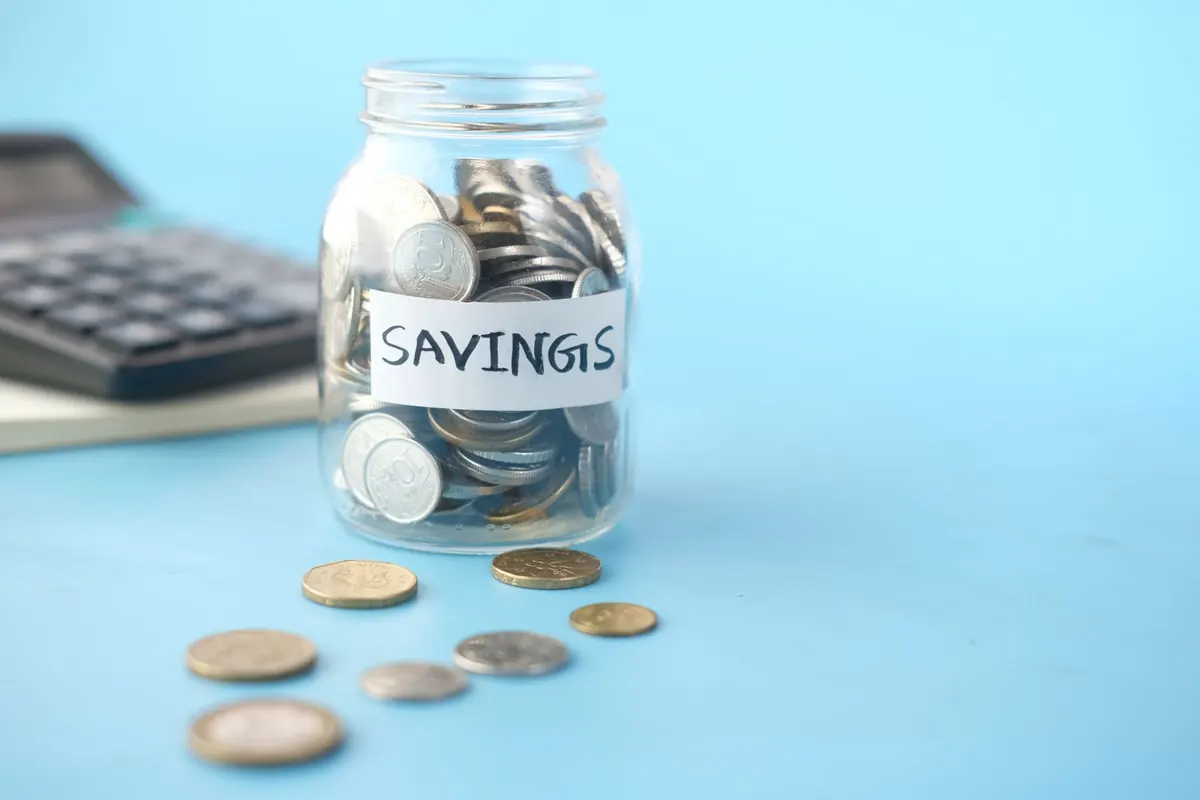
Sinking Funds Explained: Save for Big Bills Without Debt
The alternator quits on a Tuesday. Your car insurance renews the same month, and the registration lands three weeks after that. None of it is a surprise, exactly, but it feels like one when $1,400 leaves your checking account in a single go. That is the moment the credit card comes out. A sinking fund is the unglamorous fix: small, boring monthly transfers that turn a bill you dread into a bill you have already paid.
What a sinking fund actually is
A sinking fund is money you set aside each month for an expense you know is coming but don't pay monthly. The name comes from old accounting language and has nothing to do with money sinking. Think of it as a prepaid bill.
The key detail is that the expense is expected. That separates it from your emergency fund, which covers what nobody can predict: a layoff, a broken arm, a roof leak during a storm. Both matter, and they do different jobs. A sinking fund has a target number and a rough date. An emergency fund is a buffer that just sits there, waiting for a bad day.
Once you name the expense, the math is almost insultingly simple. Divide the cost by the months you have. Six hundred dollars for car insurance due in six months is $100 a month. Twelve hundred for tires you'll need by next winter is $100 a month, if you start a year out.
The bills that keep "surprising" you
Most people who feel ambushed by expenses are ambushed by the same handful of costs every year. Run through this list and write down what applies:
- Car repairs and maintenance: tires, brakes, battery, timing belt, that noise you're ignoring
- Insurance premiums paid quarterly, twice a year, or annually
- Vehicle registration, inspection, and property taxes
- Travel, holiday gifts, and the December that always arrives in December
- Vet bills, dental work, and other irregular health costs insurance doesn't fully cover
- Annual subscriptions and memberships you actually want to keep
- Bigger household needs: a replacement laptop, a new mattress, back-to-school costs
Notice how many of these you could have written down last year. Brakes wear out. Premiums renew. School supplies go on sale every August. These bills aren't unexpected; they are unbudgeted, which is a different problem with a much easier solution.
How to set up your first sinking fund
- List every known bill for the next 12 months. Go through your statements for the past year and pull out everything that wasn't a monthly payment. Twelve months of history is the best forecast you'll ever get.
- Estimate each cost. Use last year's receipts where you have them, and add a cushion of 10 to 20 percent for the categories that creep, like car repairs.
- Divide by the months remaining. That's your monthly transfer. If the number is painful, extend the timeline where you can, or trim the plan.
- Name it and park it. A separate savings account labeled "car" or "insurance" is easier to leave alone than a line in your checking account.
- Automate the transfer for payday. Money you move on purpose, before you can spend it, tends to survive the month.
- Pay the bill from the fund and reset. Once it's paid, the monthly amount starts over for next year. After two cycles, this runs itself.
Where to keep the money
Separate from your spending account
A plain savings account works, ideally one that isn't attached to your debit card. Several banks let you open labeled sub-accounts inside one savings account, which keeps the paperwork low while still keeping the car fund and the travel fund apart. If your bank doesn't offer that, a spreadsheet that tracks each category does the same job, as long as the money itself sits somewhere you won't casually spend it.
Don't invest short-term money
Money you'll need within a year or two belongs in cash, not in the market. Investments can fall sharply and take years to recover, and a bill doesn't care about your timeline. The point of a sinking fund is certainty, not growth.
When there isn't enough to go around
Start with the bill that hurts most, and fund what you can. If $25 a month is all you have, that's still a dent. A rough order of priority: insurance premiums first, since a lapse can create real problems; car repairs next, since you likely need the car to earn; then travel, gifts, and wants. If a bill is due in two months and you can't get there, the answer is usually to lower the cost rather than to borrow. Shop the premium, delay the trip, or push the repair to a slightly later date if it's safe to do so.
One mindset shift makes this easier to stick with. This money is not savings in the sense of building your net worth. It's a bill you're paying in advance, in installments, to yourself. That framing does two useful things: it stops you from feeling guilty when you spend the fund, and it stops you from raiding it for something else. The money was never free to spend.
You are not saving for a rainy day. You are paying next April's insurance bill in eleven small pieces.
Start with one bill this month
Pick the single expense that has caused you the most stress in the past two years, work out the monthly amount, and set up the transfer this week. Run it for three months before adding a second category. The goal isn't a tidy system with twelve labeled accounts; it's that the next time the mechanic calls, you move money instead of borrowing it.
If you're carrying high-interest debt, or your budget genuinely won't stretch to cover the essentials, a nonprofit credit counselor or a fee-only financial planner can help you sort out priorities. That hour is usually worth it. This piece is general guidance, not advice tailored to your situation.
Photo: Towfiqu barbhuiya / Pexels
You Might Also Like
A decade-by-decade retirement checklist covering contribution targets, account choices, and catch-up moves to keep your savings on track from your 20s through your 40s.
Traditional and Roth 401(k)s differ mainly in when you pay tax. Compare your current bracket, expected retirement income, and employer match rules to choose wisely.